From
Practical notes on recording, mixing and mastering heavy music. What to reach for, when, and why it works.
Articles
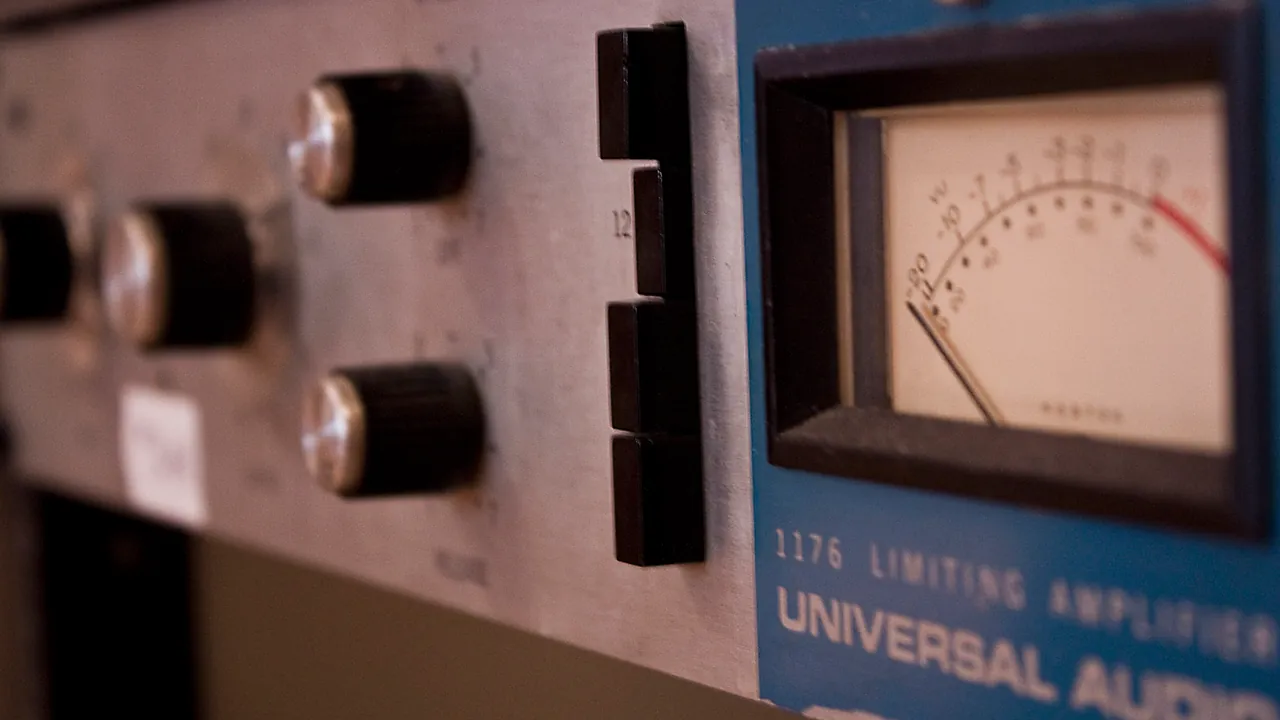
Should You Use a Clipper or a Limiter?
Clippers and limiters can both control peaks, but they change transients in different ways. Learn what to listen for on drums, buses and full mixes, and when using both makes sense.
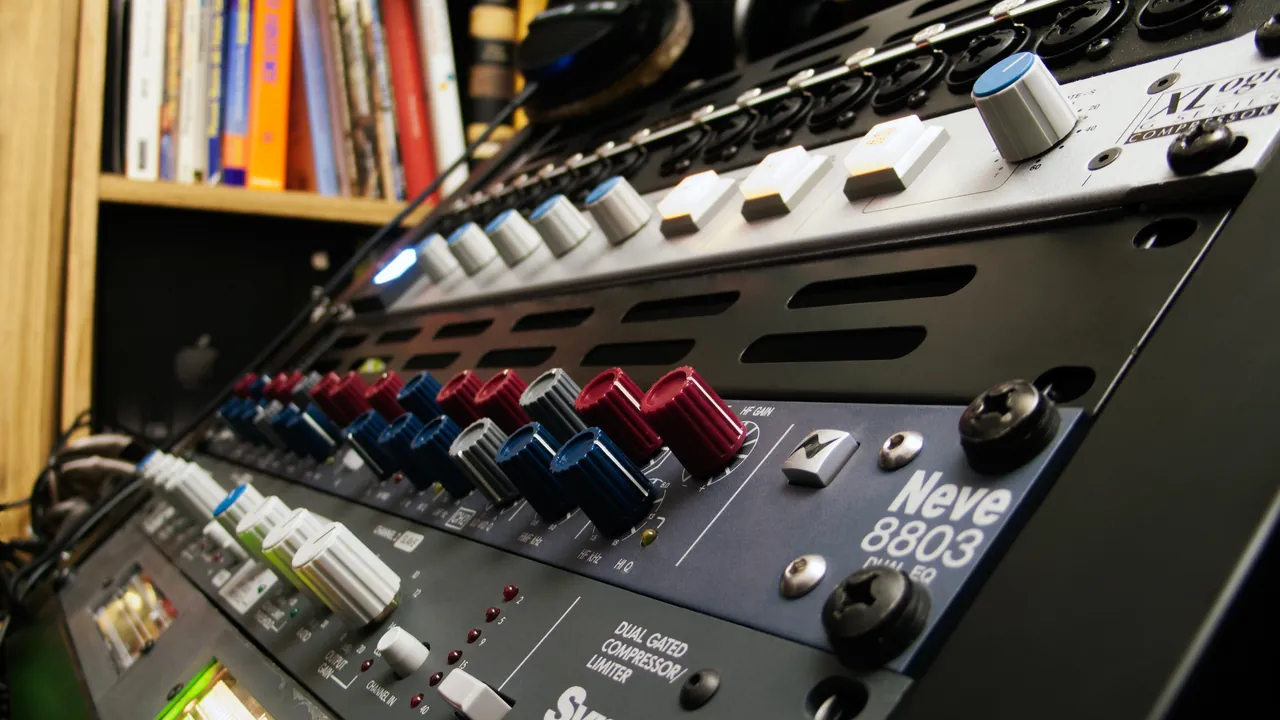
Why High-Pass Filtering Every Track Can Make Your Mix Thin
High-pass filters can clear rumble and make room for bass, but using them on every track can leave a mix weak. Learn when to filter, how slopes affect the sound, and what to try instead.
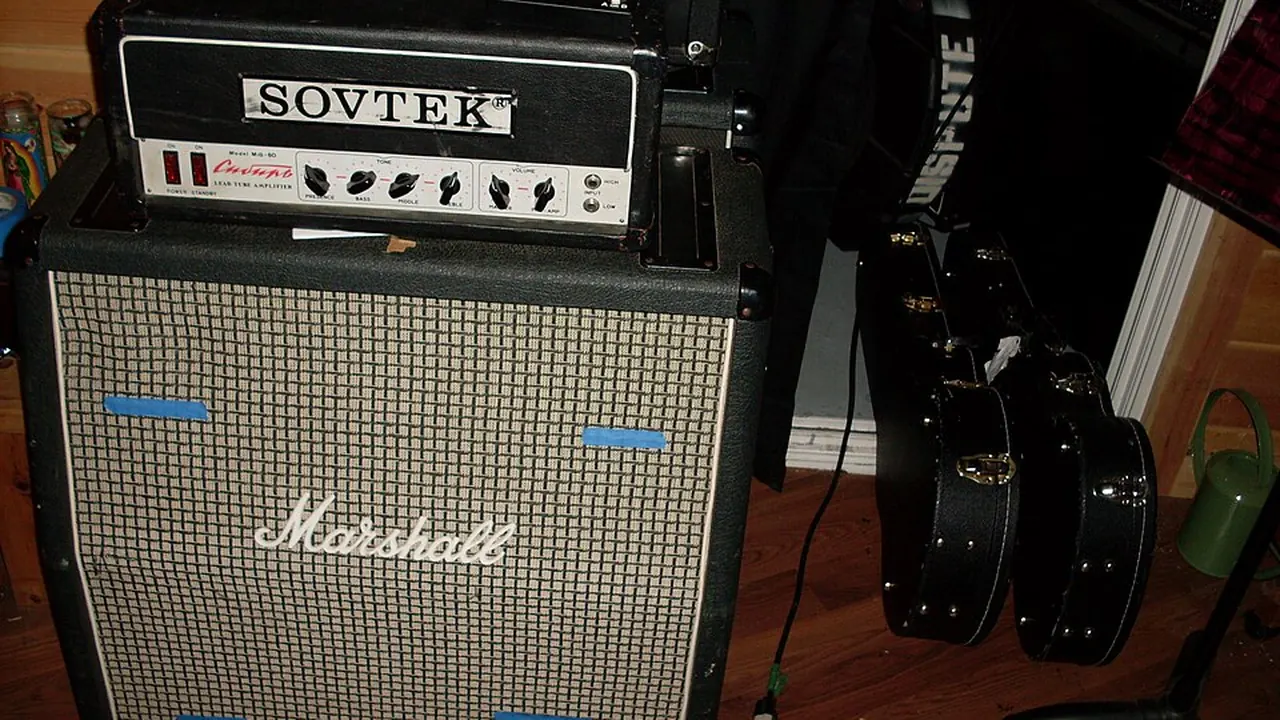
How to Record High-Gain Guitars Without Losing Definition
A huge guitar tone can disappear when the full band plays. Learn how to record high-gain guitars with clear DI tracks, sensible amp gain, the right cabinet sound and tight layers.
Why Your Mix Sounds Muddy and How to Fix It
A muddy mix may need a balance change, a shorter reverb or a different arrangement before it needs EQ. Trace the source of the lost clarity without thinning out the song.
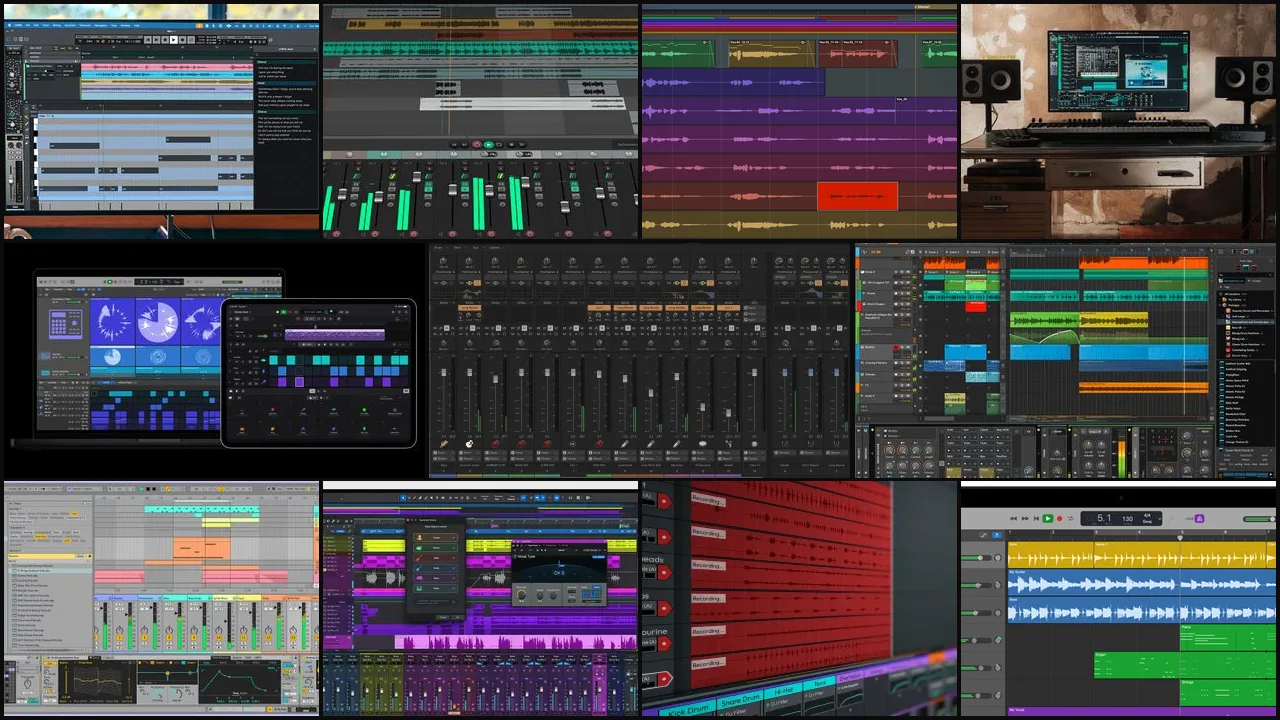
Best DAWs for Rock, Metal and Recording Real Instruments
KRIG Audio favors LUNA for recording real instruments. Compare free and paid DAWs for guitars, drums, full bands and atmospheric productions.
What this blog covers
The KRIG Audio blog is written for people who record and mix heavy music themselves, from black and death metal to doom, hardcore and loud rock. Most mixing advice online is built around pop and acoustic sources, and a lot of it stops working once guitars are tuned down, drums are played at 220 BPM and every instrument is fighting for the same low mids. These articles start from that problem instead.
Each piece is filed under one of eight topics, from tracking and instrument setup to mixing, mastering, sound design and the software you run it all on. We explain the reasoning behind a choice as well as the settings, because a number copied from a screenshot rarely fits your own recording, while knowing why it worked usually does.
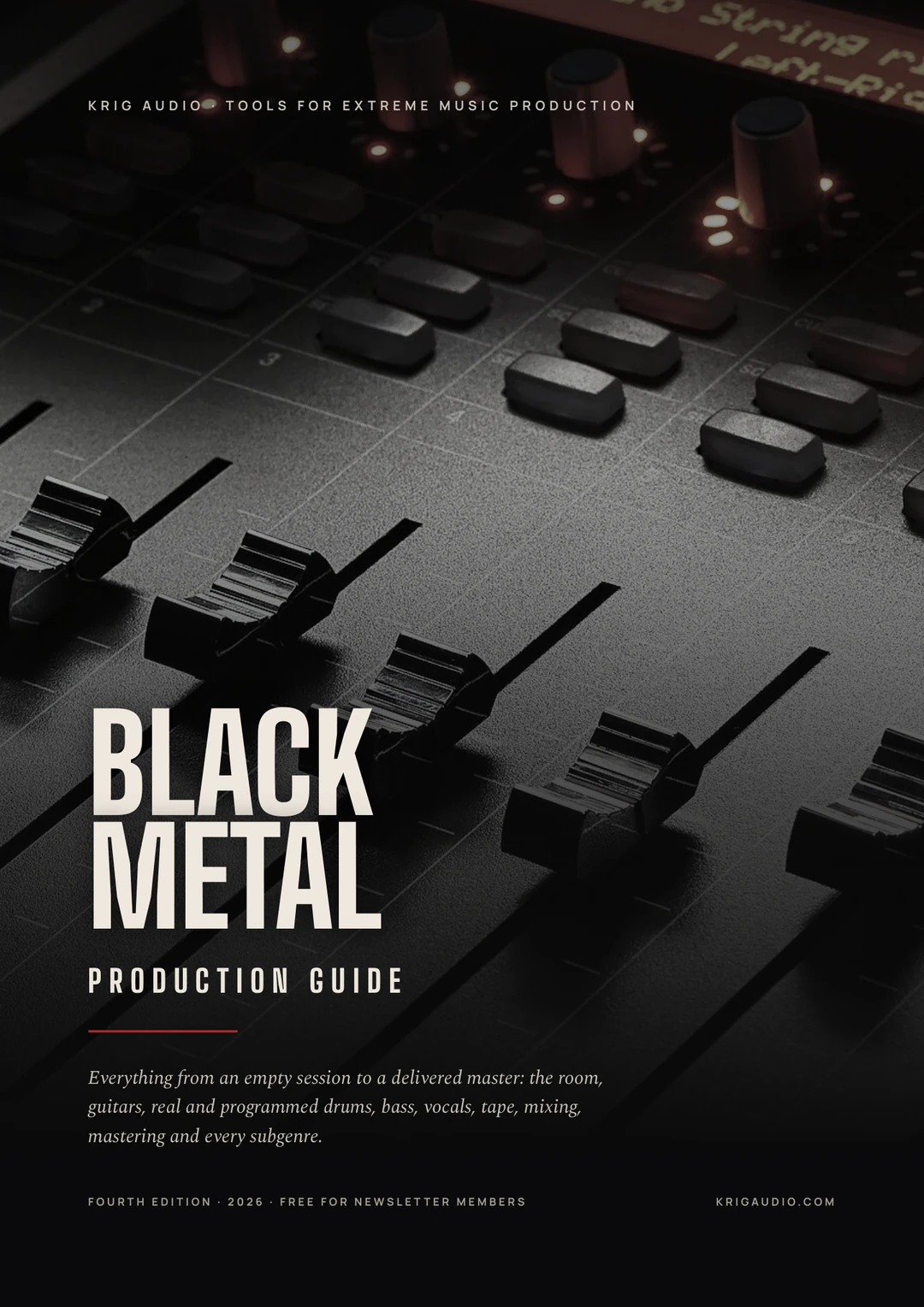
The Black Metal Production Guide
Recording, mixing and mastering black metal in one free book: EQ curves for every instrument, drums at blast tempo, atmosphere, mastering. Join the newsletter and it arrives in your inbox.
See what is insideNo spam, promise. Only real news, and leaving takes one click.